Each Issue begins with a single question and develops through different people, perspectives, and forms. Rather than searching for a single answer, we explore what a question can become as it moves through publications, workshops, digital experiences, and other experiments.
For us, a question is not simply a starting point.
It is a structure for observation, interpretation, participation, and making.
Each project becomes part of an expanding archive,
where questions remain open, change over time, and lead to new inquiries.
각 Issue는 하나의 질문에서 시작해 서로 다른 사람과 관점, 형식을 거치며 확장됩니다. 하나의 정답을 찾기보다, 질문이 출판, 워크숍, 디지털 경험, 그리고 다양한 실험을 통과하며 무엇으로 변해가는지를 탐구합니다.
우리에게 질문은 단순한 출발점이 아닙니다.
질문은 관찰하고, 해석하고, 참여하고, 만들어가기 위한 하나의 구조입니다.
각 프로젝트는 확장되는 아카이브의 일부가 됩니다.
질문은 완결되지 않은 채 시간에 따라 변화하고, 다시 새로운 질문으로 이어집니다.
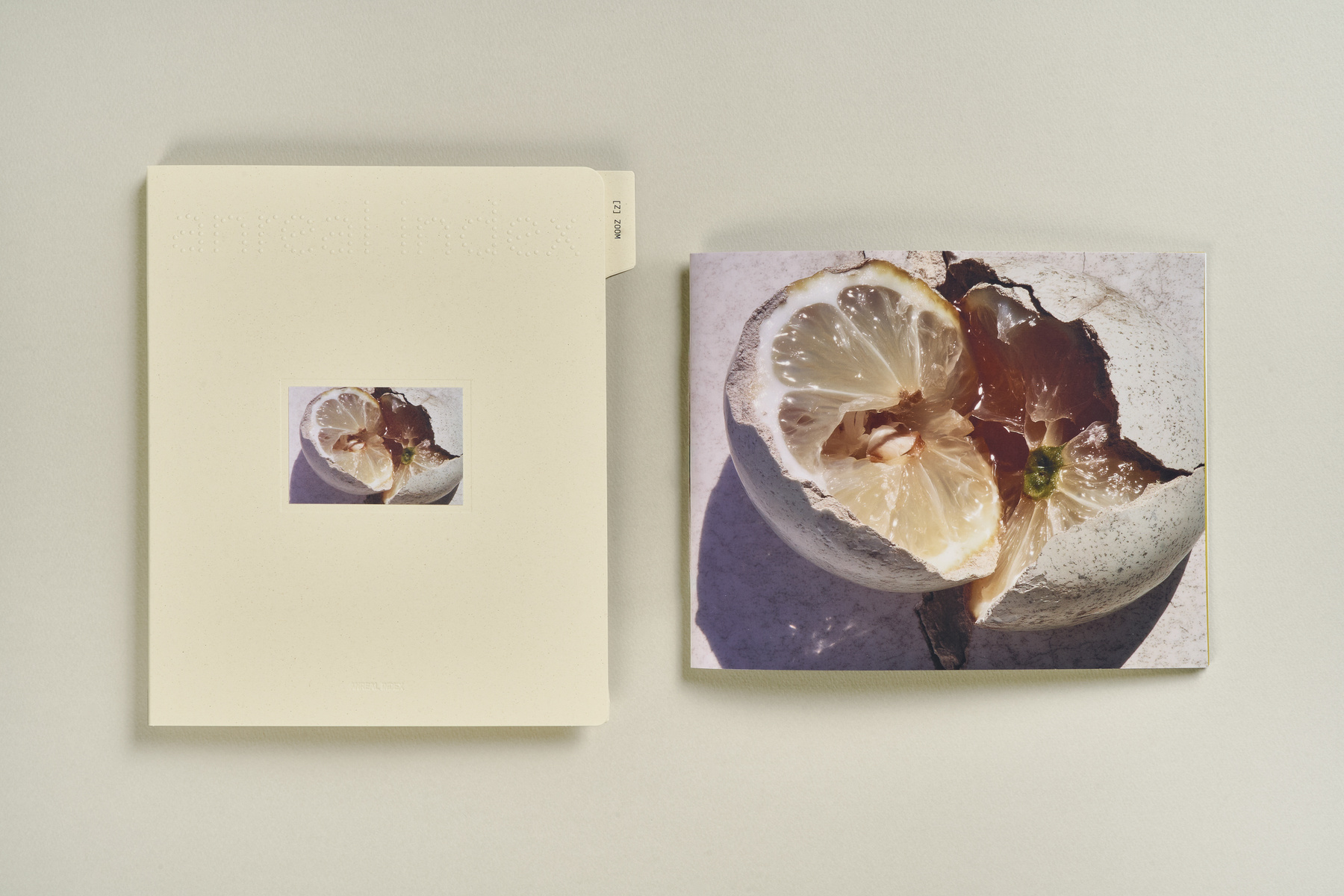
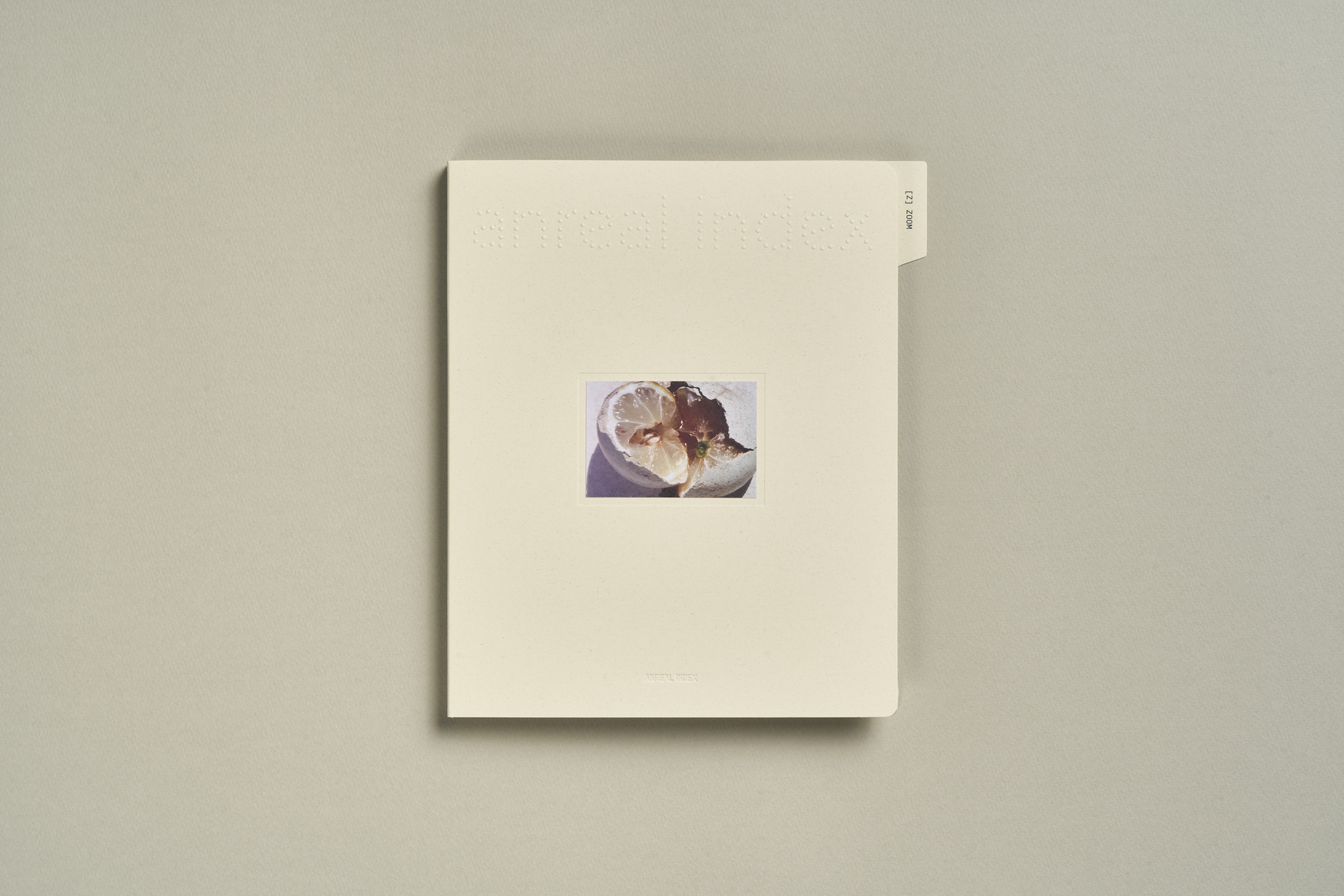
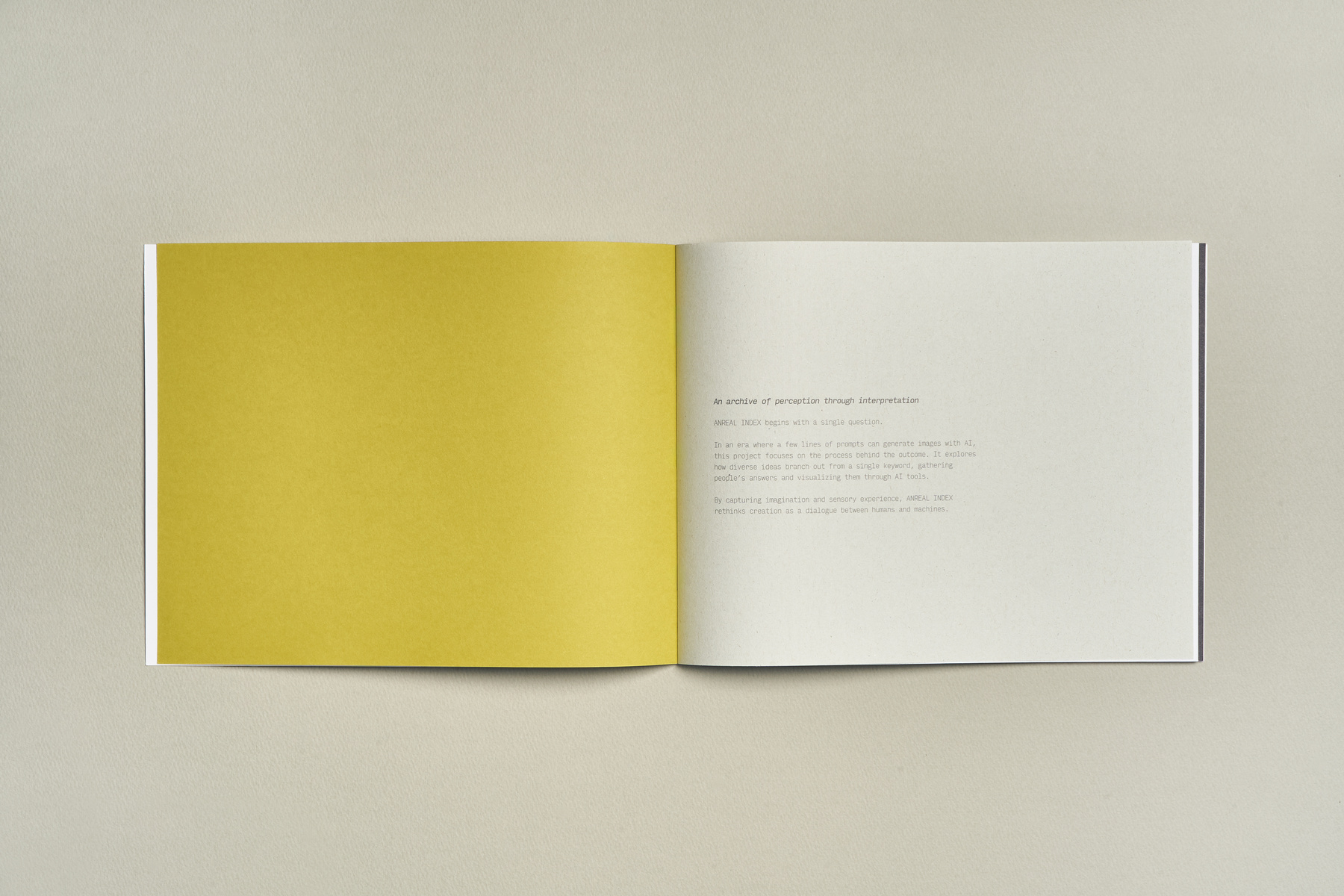
The first issue of ANREAL INDEX explores how a single question can unfold through different ways of seeing.
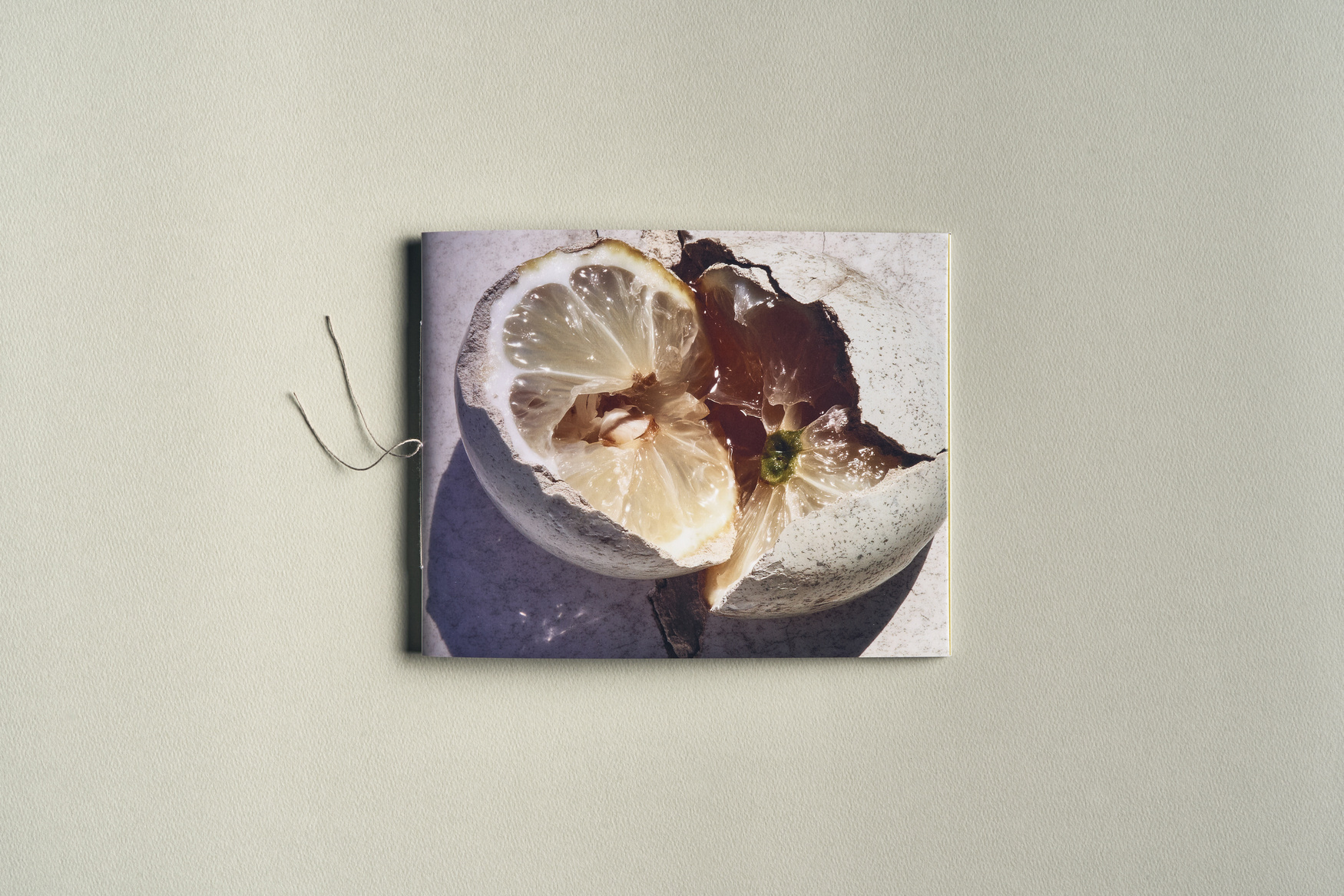
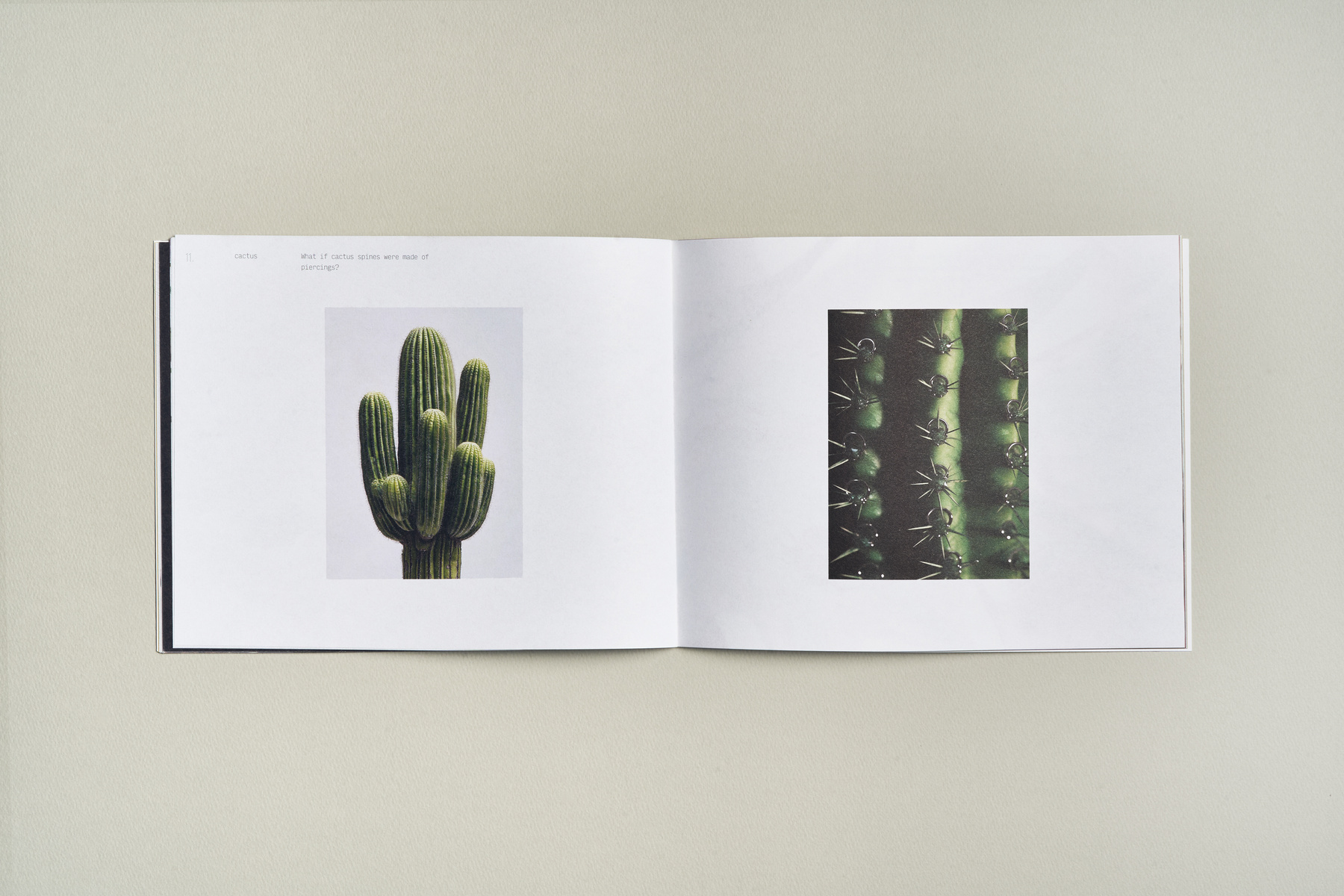
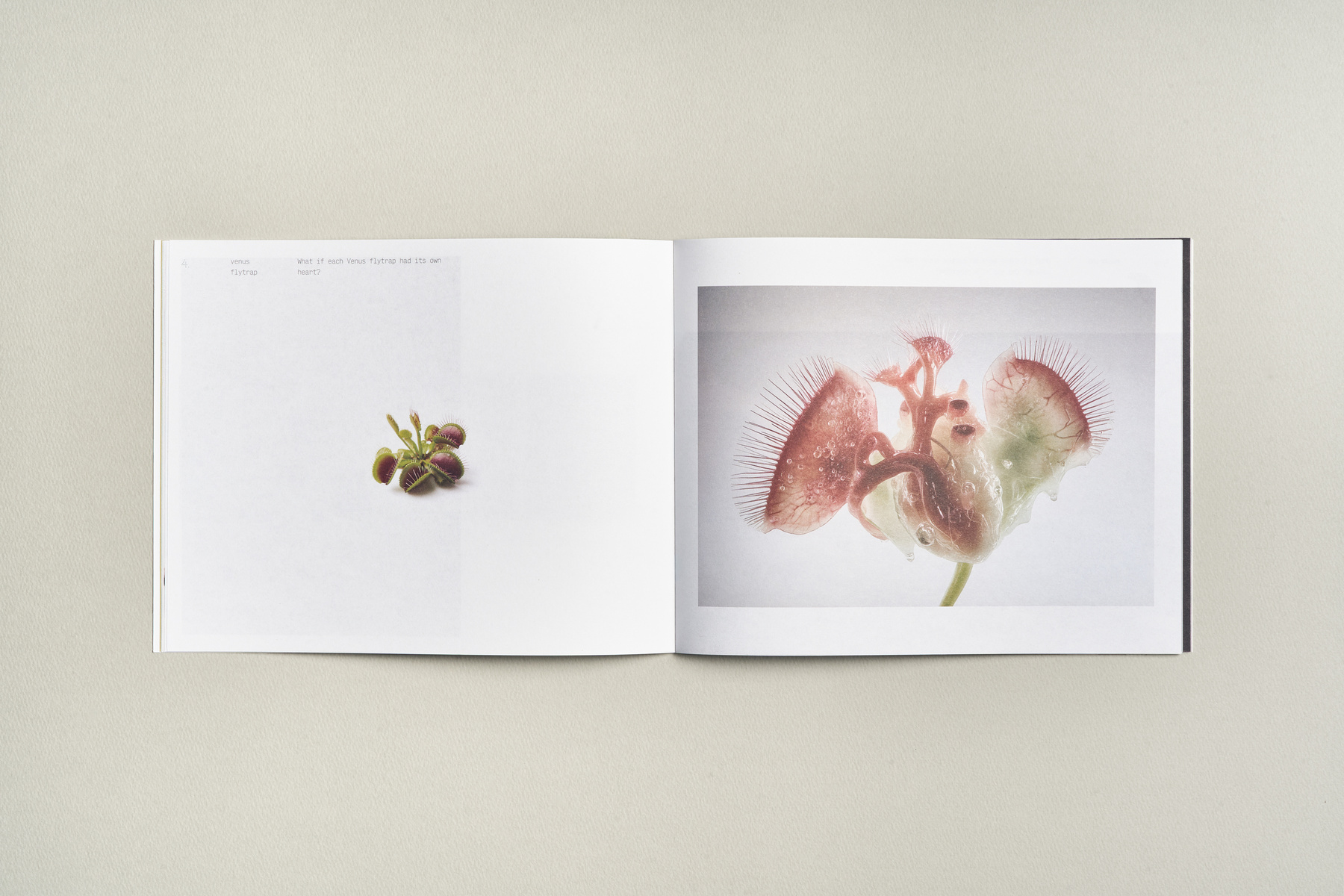
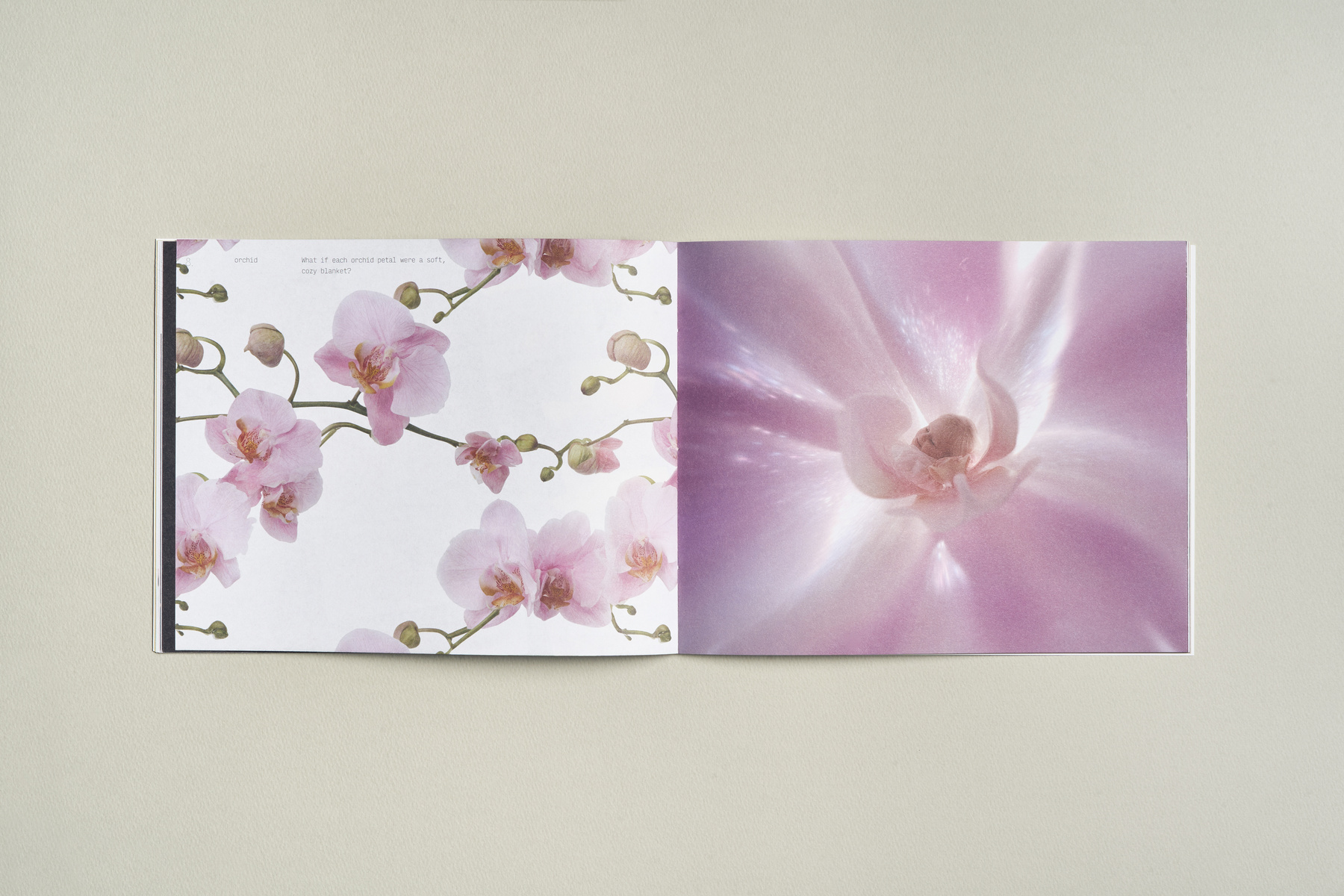
Beginning with the word Zoom, fifteen participants were invited to closely observe natural objects and imagine what else they might become. Their observations moved through language, interpretation, and AI, eventually taking form as a collection of visual narratives.
Rather than focusing only on the resulting images, [Z] ZOOM follows the transformations that happen along the way—how one object can become many things when it passes through different perspectives, imaginations, and systems of interpretation.
ANREAL INDEX의 첫 번째 Issue는 하나의 질문이 서로 다른 시선을 통과하며 어떻게 다양한 해석으로 확장되는지를 탐구합니다.
Zoom이라는 단어에서 출발해, 15명의 참여자는 자연물을 가까이 관찰하고 그것이 또 무엇이 될 수 있을지 상상했습니다. 각자의 관찰은 언어와 해석, 그리고 AI를 거치며 하나의 시각적 내러티브로 발전합니다.
[Z] ZOOM은 완성된 이미지 자체보다 그 이미지에 도달하기까지 일어난 변화에 주목합니다. 하나의 대상이 서로 다른 사람의 시선과 상상, 그리고 해석의 시스템을 통과할 때 얼마나 다양한 가능성으로 달라질 수 있는지를 기록합니다.
Zoom is not simply about magnification. It is a shift in attention.
The closer we look, the less fixed the familiar becomes. A surface begins to resemble a landscape, a fragment suggests another organism, and an ordinary natural object opens onto unexpected forms and stories.
[Z] ZOOM begins with this simple act of looking again.
Instead of asking what an object is, the issue asks what else it might become when seen from another perspective. Fifteen people encounter the same question differently, revealing observation not as a neutral act, but as something shaped by memory, intuition, association, and imagination.
What emerges is not one interpretation of nature, but a collection of possible ways of seeing it.
Zoom은 단순히 대상을 확대해서 보는 일이 아니라, 익숙한 것을 바라보는 시선을 전환하는 일입니다.
가까이 들여다볼수록 익숙했던 대상은 오히려 고정된 모습을 잃기 시작합니다. 작은 표면이 하나의 풍경처럼 보이고, 어떤 조각은 전혀 다른 생명체를 떠올리게 하며, 평범한 자연물 안에서 예상하지 못했던 형태와 이야기가 드러납니다.
[Z] ZOOM은 이렇게 다시 바라보는 행위에서 시작합니다.
이 프로젝트는 대상이 '무엇인가'를 정의하기보다, 다른 시선으로 바라볼 때 그것이 또 무엇이 될 수 있는가를 질문합니다. 같은 질문을 마주하더라도 15명의 참여자는 각자의 기억과 직관, 연상과 상상을 통해 서로 다른 답에 도달합니다.
그 결과 하나의 자연물을 설명하는 하나의 해석이 아니라, 그것을 바라볼 수 있는 여러 가능성이 만들어집니다.
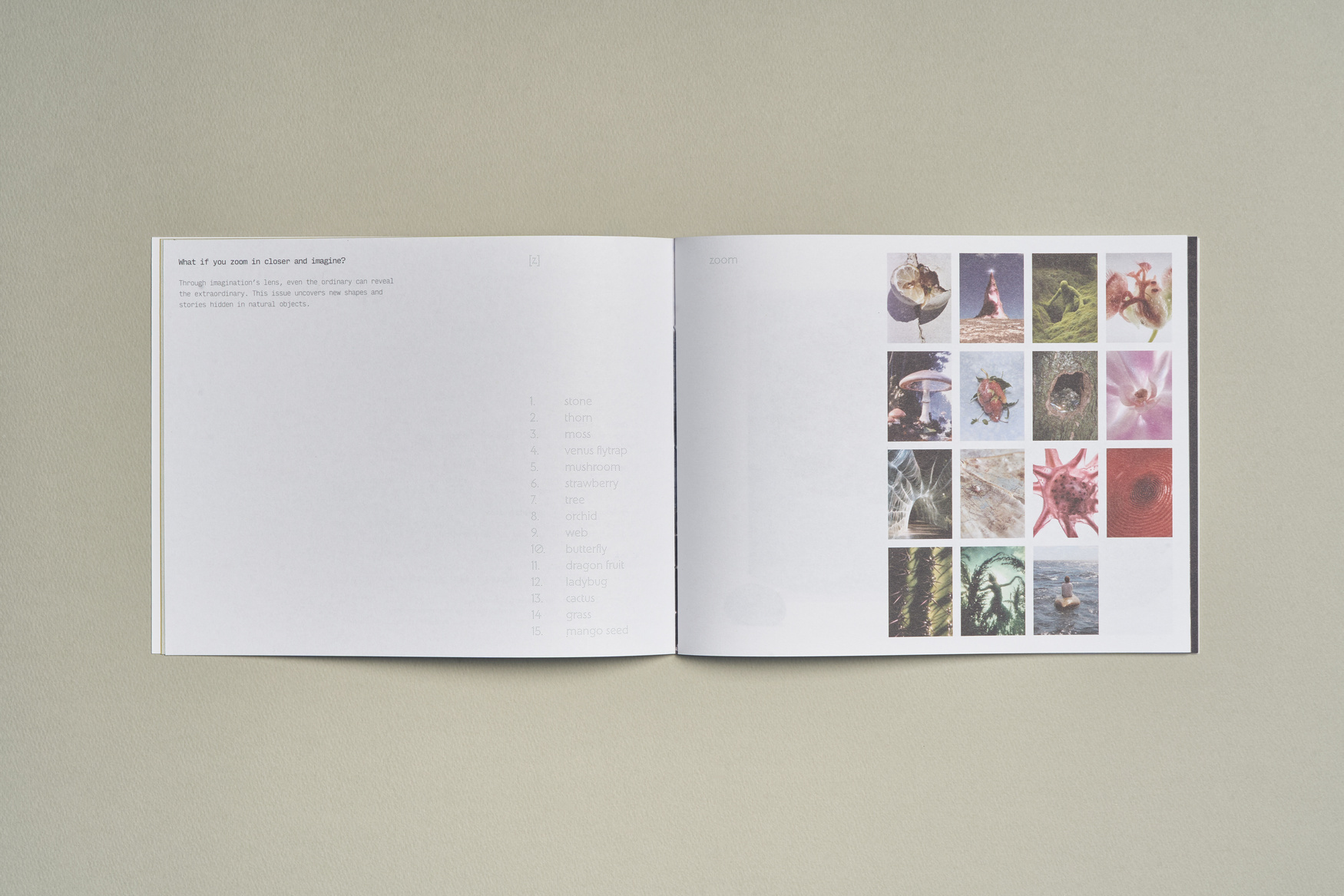
[Z] ZOOM is structured as a collaborative process of observation and translation.
Fifteen participants begin with the same question, but each responds through their own way of seeing. Their observations are translated into language, which then becomes the basis for another layer of interpretation through AI.
Within this process, AI is not treated as the final author or a tool for producing a predetermined image. It becomes one more interpretive system through which an idea passes, shifts, and takes on another form.
The project therefore archives more than images. It traces a sequence:
question → observation → interpretation → language → machine interpretation → image
By keeping these stages visible, [Z] ZOOM explores how meaning changes as it moves between people, language, and computational systems.
[Z] ZOOM은 관찰과 번역이 이어지는 협업 리서치 과정으로 구성됩니다.
15명의 참여자는 같은 질문에서 시작하지만 각자의 방식으로 대상을 바라보고 해석합니다. 그 관찰은 언어로 옮겨지고, 다시 AI라는 또 다른 해석의 층을 통과합니다.
이 과정에서 AI는 최종적인 이미지를 결정하는 창작자도, 정해진 결과를 만들어내기 위한 단순한 도구도 아닙니다. 하나의 생각이 통과하며 다른 형태로 변하는 또 하나의 해석 시스템으로 작동합니다.
따라서 이 프로젝트가 기록하는 것은 이미지뿐만이 아닙니다.
질문 → 관찰 → 해석 → 언어 → 기계의 해석 → 이미지
이 과정 전체를 함께 드러냄으로써, [Z] ZOOM은 하나의 의미가 사람과 언어, 시스템 사이를 이동하며 어떻게 달라지는지를 탐구합니다.
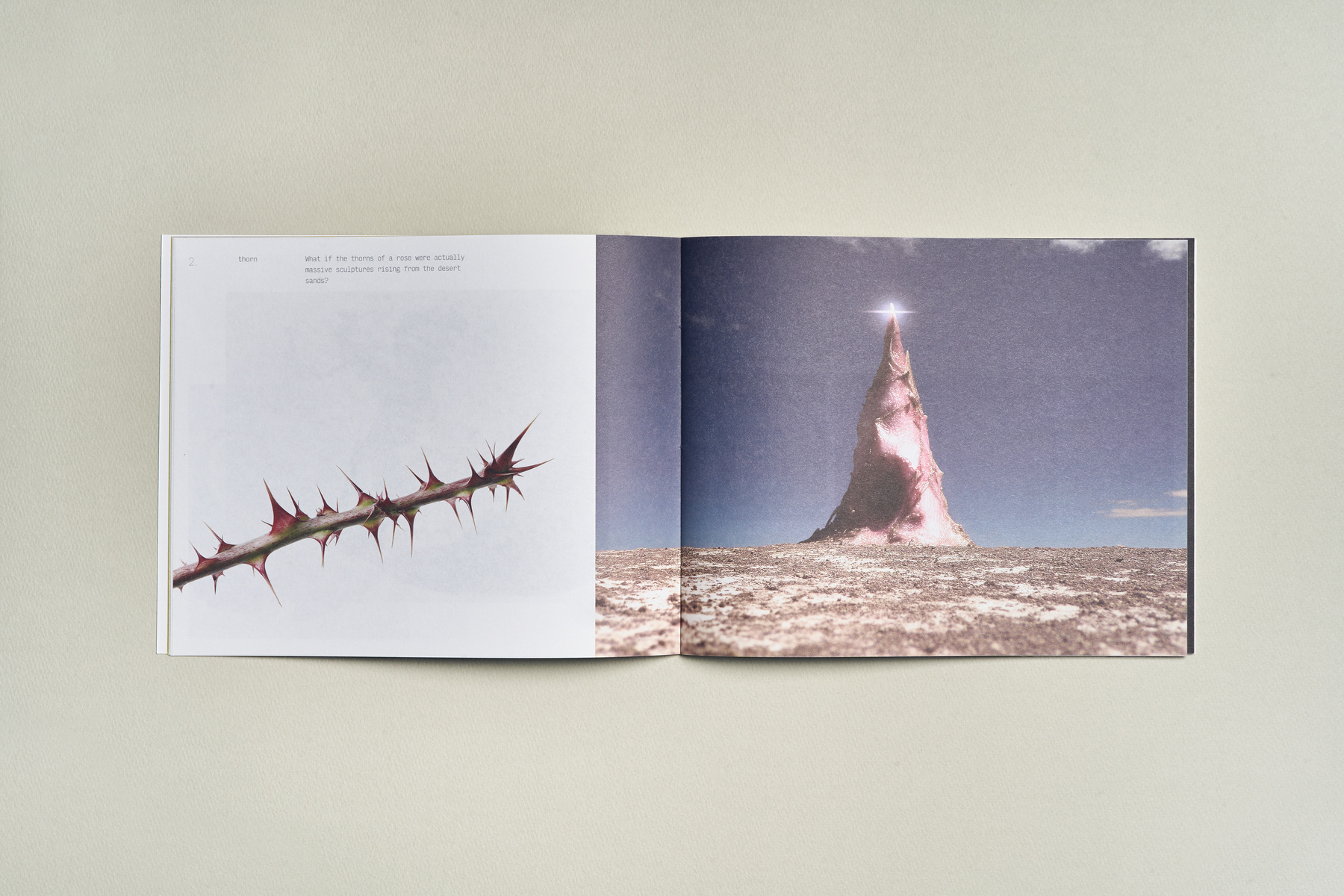
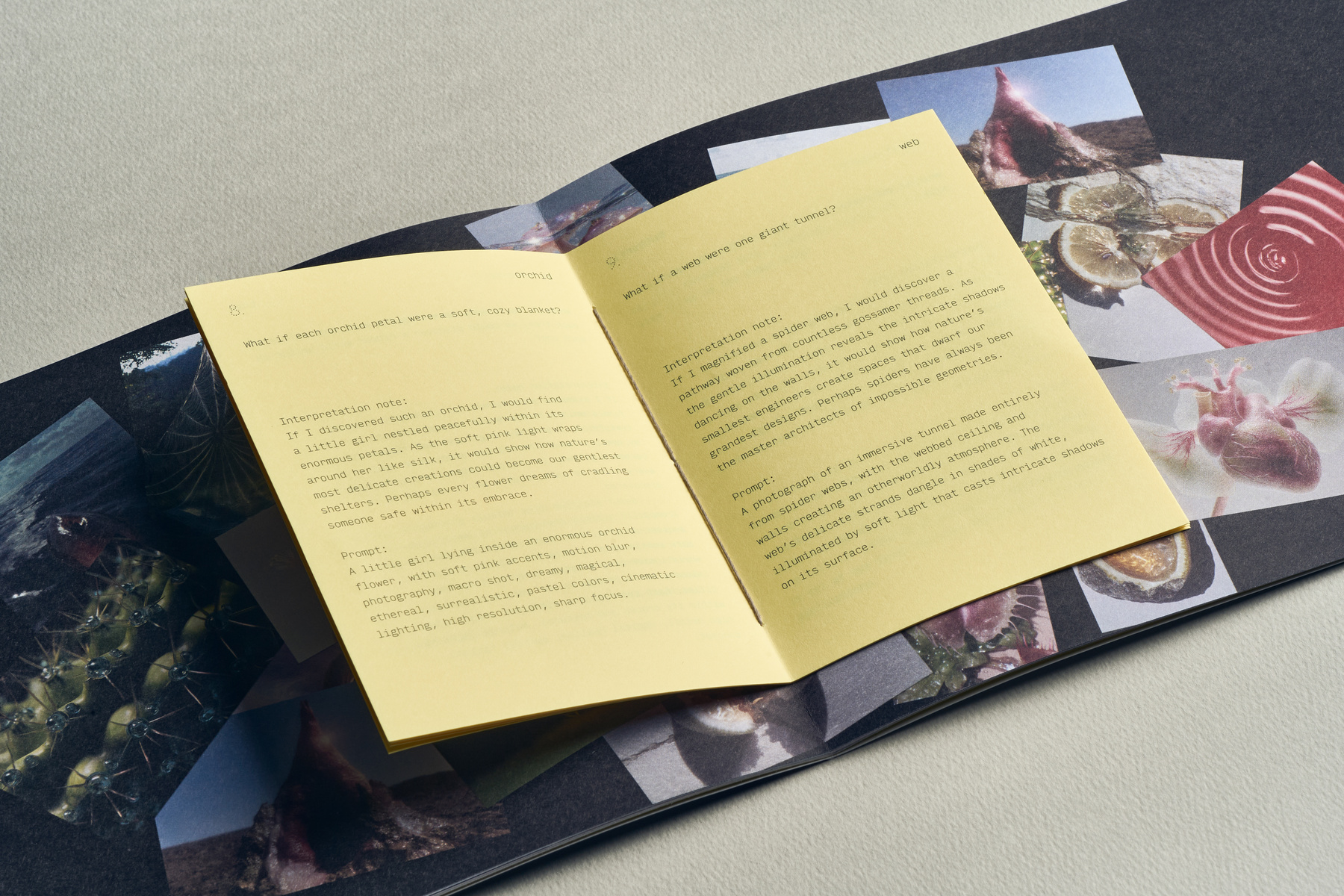
Every image in [Z] ZOOM is accompanied by an Interpretation Note tracing the process behind it.
The notes begin with what each participant noticed, imagined, or associated with the original object, and follow how these observations were translated into language and subsequently interpreted by AI.
Rather than presenting prompts as technical instructions, the notes document moments of translation—where meaning is added, shifted, simplified, or unexpectedly transformed.
Together, the images and notes form an archive of how a single question can evolve through different minds and systems, producing not one answer but many possible realities.
[Z] ZOOM의 모든 이미지에는 그 이미지가 만들어지기까지의 과정을 기록한 Interpretation Note가 함께 수록됩니다.
노트는 참여자가 처음 자연물에서 발견한 특징과 떠올린 이미지, 이야기에서 시작해, 그것이 어떤 언어로 번역되고 다시 AI에 의해 어떻게 해석되었는지를 따라갑니다.
이는 프롬프트를 기술적인 제작 정보로 공개하기 위한 기록이 아닙니다. 하나의 감각과 생각이 다른 언어와 시스템으로 옮겨지는 과정에서 의미가 더해지고, 달라지고, 때로는 예상하지 못한 방향으로 변하는 순간을 기록합니다.
이미지와 Interpretation Note가 함께 쌓이며, [Z] ZOOM은 하나의 질문이 서로 다른 사람과 시스템을 통과해 하나의 답이 아닌 여러 개의 가능한 현실로 확장되는 과정을 아카이브합니다.
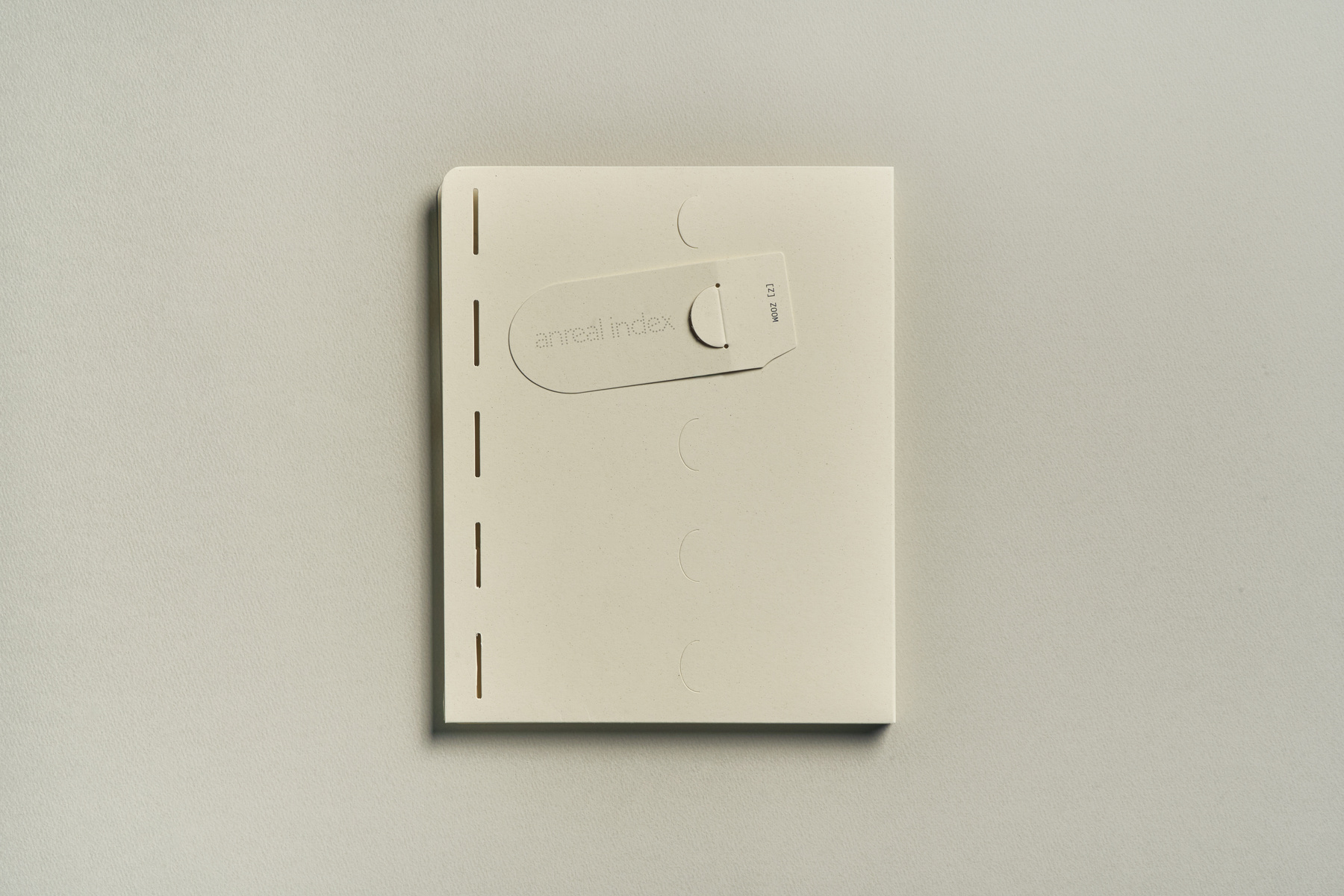
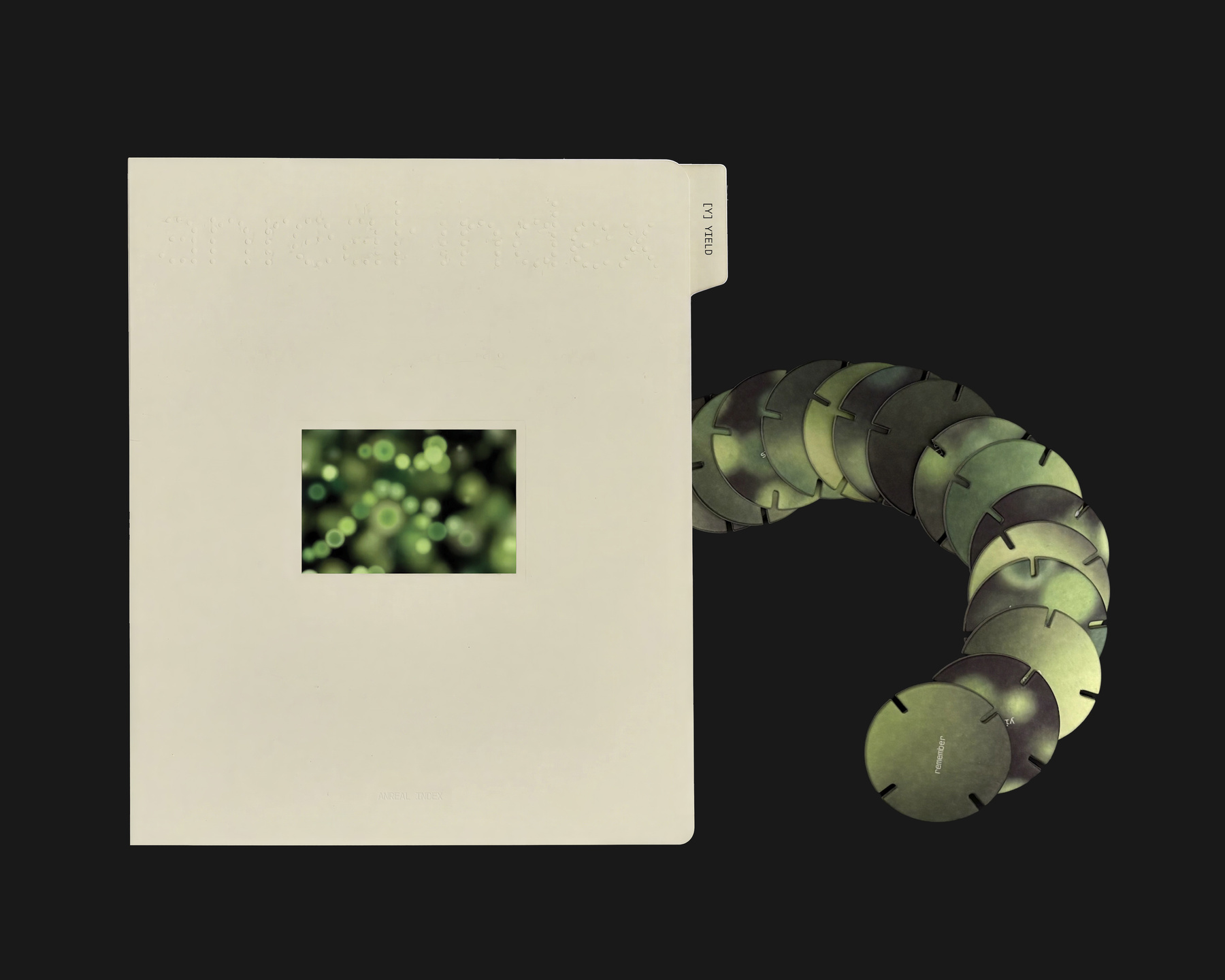
The second issue of ANREAL INDEX explores what happens when meaning is no longer determined by a single author.
Beginning with the word Yield, this issue asks what we give up, allow, or leave open during the creative process. Intention meets chance, language meets systems, and the author's decisions meet those of the reader.
Rather than presenting a fixed narrative, [Y] YIELD creates an open structure in which meaning continues to shift through participation, rearrangement, and interpretation.
ANREAL INDEX의 두 번째 Issue는 하나의 의미가 더 이상 한 명의 창작자에 의해 결정되지 않을 때 무엇이 일어나는지를 탐구합니다.
Yield라는 단어에서 출발한 이번 Issue는 창작 과정에서 우리가 무엇을 내어주고, 허용하고, 열린 상태로 남겨두는지를 질문합니다. 의도는 우연을 만나고, 언어는 시스템을 통과하며, 창작자의 선택은 다시 독자의 선택과 마주합니다.
[Y] YIELD는 완성된 하나의 이야기를 제시하는 대신, 참여와 재배열, 해석을 거치며 의미가 계속 변화할 수 있는 열린 구조를 만듭니다.
To yield is not simply to give something away. It is to make room for something else to happen.
Every act of making begins with intention, but no creative process remains entirely under the control of its maker. Language changes as it is read. Materials behave unexpectedly. Systems introduce their own logic. Other people interpret what has been made in ways the author cannot fully anticipate.
[Y] YIELD begins from this tension between intention and surrender.
Instead of asking who ultimately owns or controls a work, the issue asks what becomes possible when authorship is left partially open. What remains of the original intention? What is transformed by chance? And what new meaning emerges when another person enters the process?
Here, creativity is understood not as a linear act of expression, but as an ongoing negotiation between multiple forces.
Yield는 단순히 무언가를 포기하거나 내어주는 일이 아니라, 다른 가능성이 들어올 자리를 만드는 행위입니다.
모든 창작은 어떤 의도에서 시작하지만, 그 과정 전체가 창작자의 통제 안에 머물지는 않습니다. 언어는 읽히는 순간 다른 의미를 만들고, 재료는 예상과 다르게 반응하며, 시스템은 고유한 논리를 더합니다. 작품을 마주하는 사람 역시 창작자가 예상하지 못한 방식으로 그것을 해석합니다.
[Y] YIELD는 이러한 의도와 내어줌 사이의 긴장에서 시작합니다.
이 Issue는 최종적인 결과를 누가 소유하거나 통제하는지를 묻기보다, 저자성을 일부 열린 상태로 남겨둘 때 무엇이 가능해지는지를 탐구합니다. 처음의 의도는 어디까지 남는지, 우연은 무엇을 바꾸는지, 그리고 다른 사람이 창작 과정에 들어오는 순간 어떤 새로운 의미가 만들어지는지를 질문합니다.
여기서 창작은 하나의 의도를 전달하는 직선적인 과정이 아니라, 여러 주체와 조건 사이에서 계속 조정되고 변화하는 과정입니다.
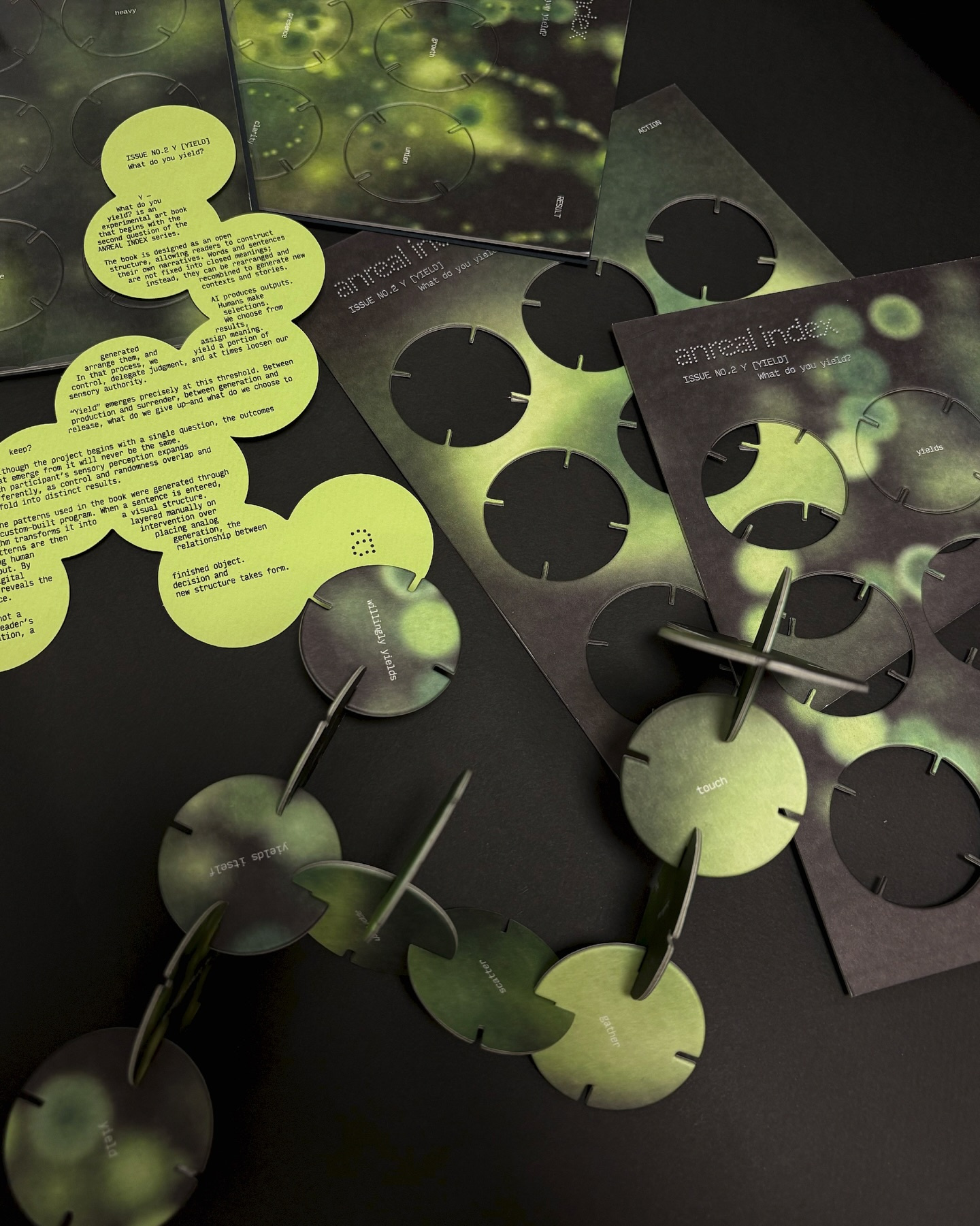
[Y] YIELD takes the form of an open narrative system rather than a finished story.
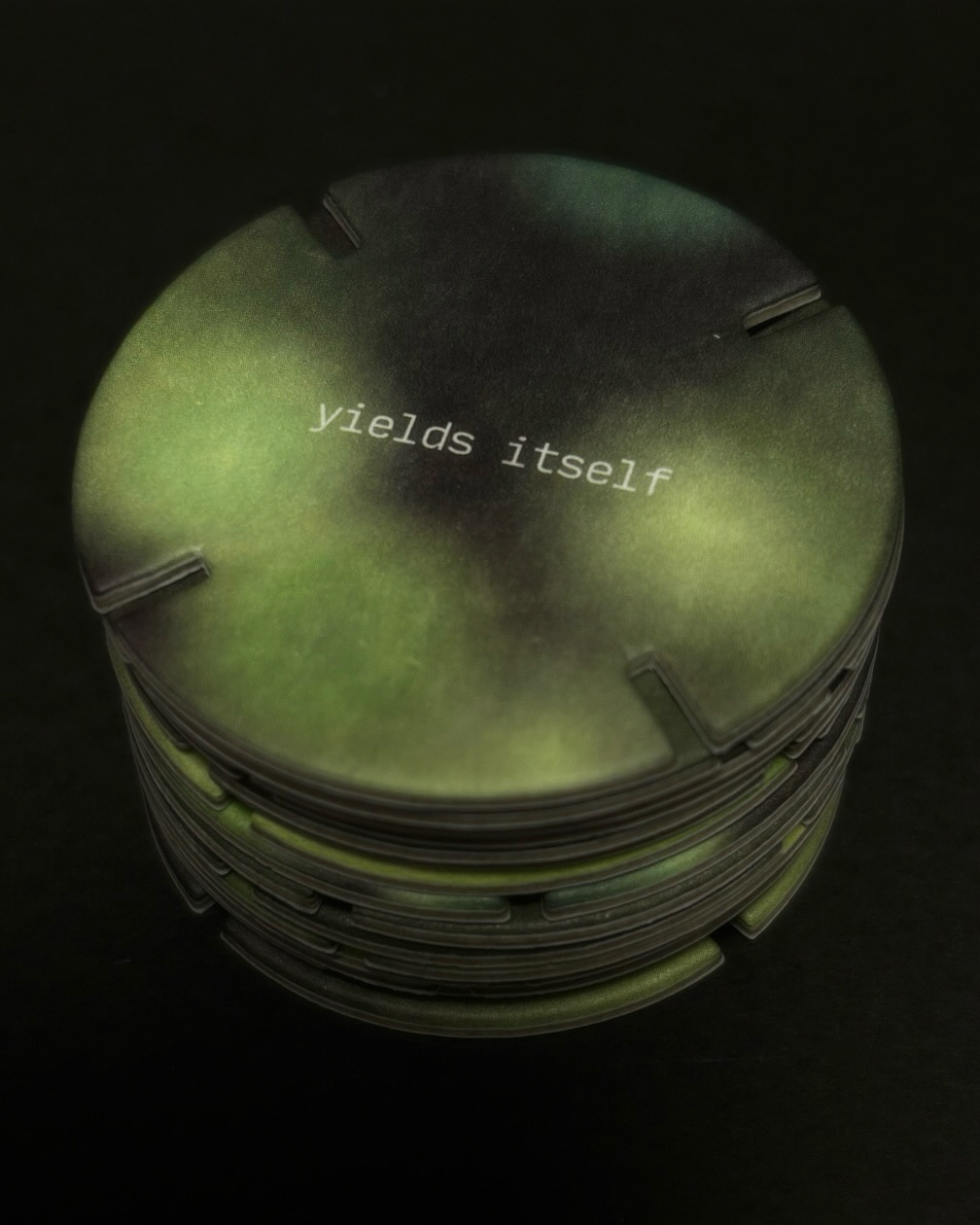
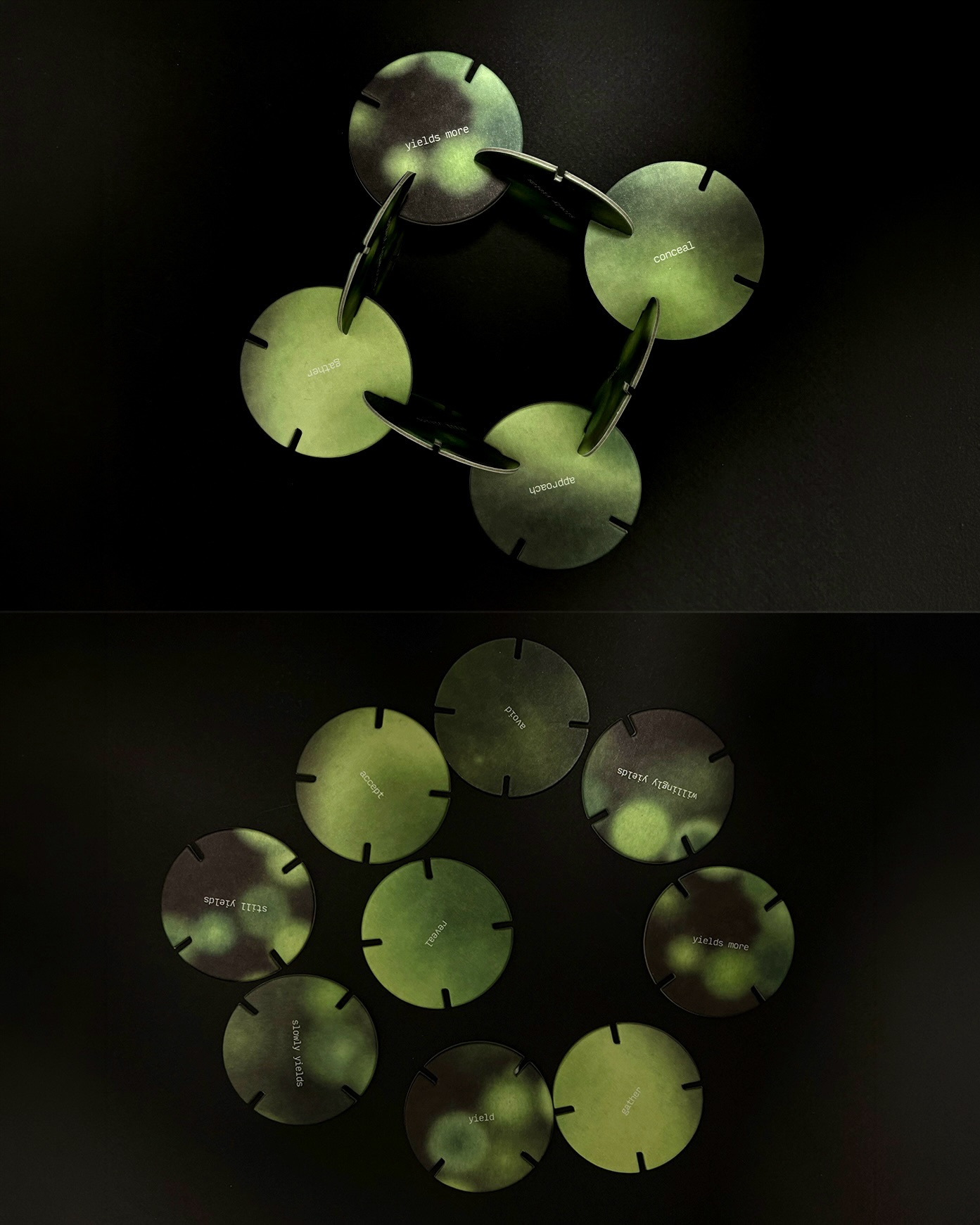
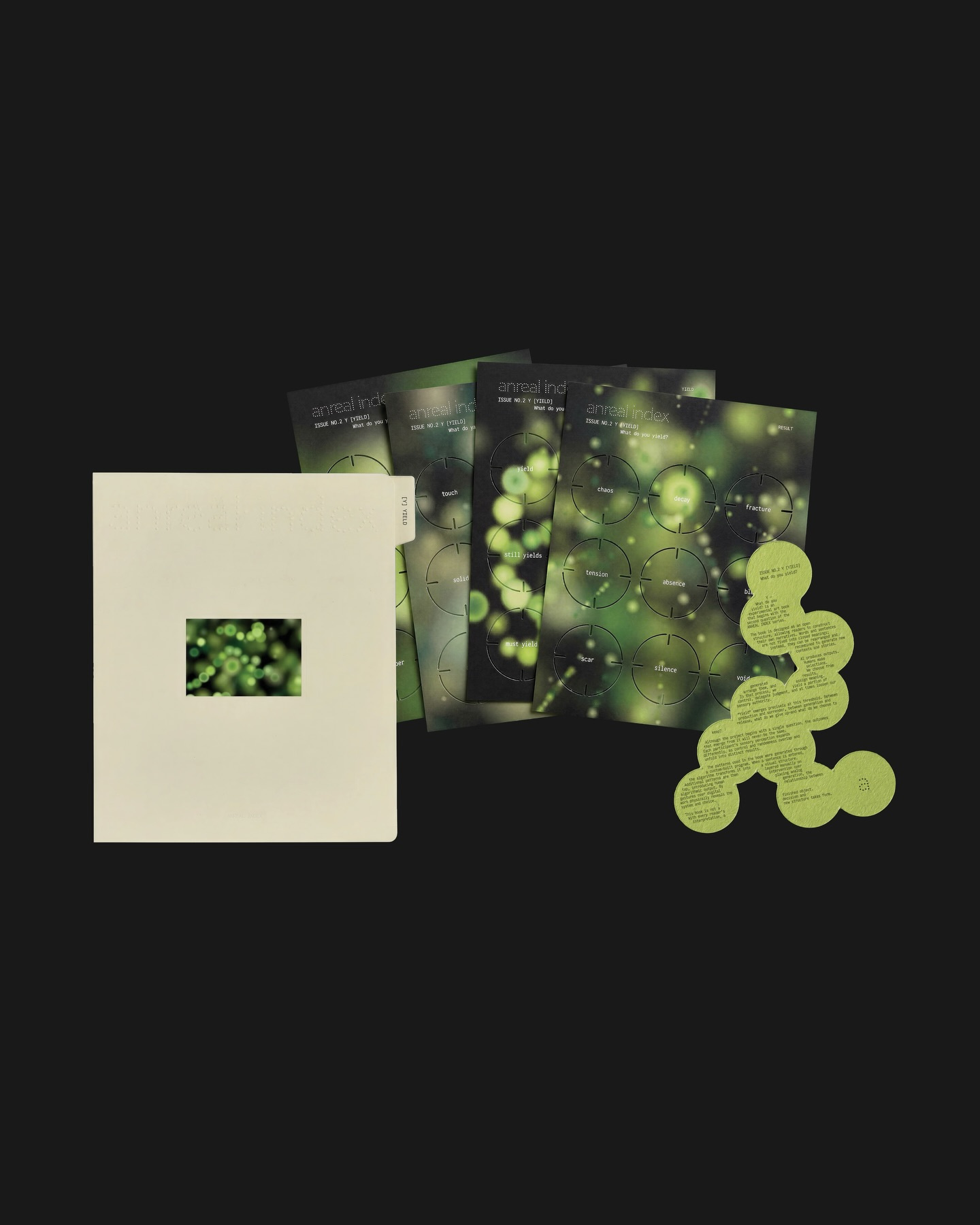
Readers are given a set of die-cut word discs that can be selected, connected, rearranged, and reinterpreted. The same collection of words can generate entirely different narratives depending on the reader's choices.
Reading therefore becomes an act of making.
The work does not contain one correct sequence or final meaning. Instead, it provides a structure in which meaning is continuously produced through participation.
The process can be understood as:
intention → fragments → choice → arrangement → interpretation → new meaning
Each reader temporarily completes the work, only for it to become open again with the next interaction.
[Y] YIELD는 완성된 하나의 이야기가 아니라 열린 내러티브 시스템으로 구성됩니다.
독자는 다이컷된 단어 조각을 선택하고, 연결하고, 재배열하며 새로운 관계를 만듭니다. 같은 단어를 사용하더라도 어떤 것을 선택하고 어떤 순서로 배치하는지에 따라 전혀 다른 이야기가 만들어집니다.
따라서 읽는 행위는 동시에 만드는 행위가 됩니다.
이 작업에는 하나의 올바른 순서나 최종적인 의미가 존재하지 않습니다. 대신 독자의 선택과 해석이 개입할 때마다 새로운 의미가 생성될 수 있는 구조를 제공합니다.
그 과정은 다음과 같이 이어집니다.
의도 → 파편 → 선택 → 배열 → 해석 → 새로운 의미
한 명의 독자가 잠시 작품을 완성하지만, 다음 사람이 다시 개입하는 순간 작품은 다시 열린 상태로 돌아갑니다.
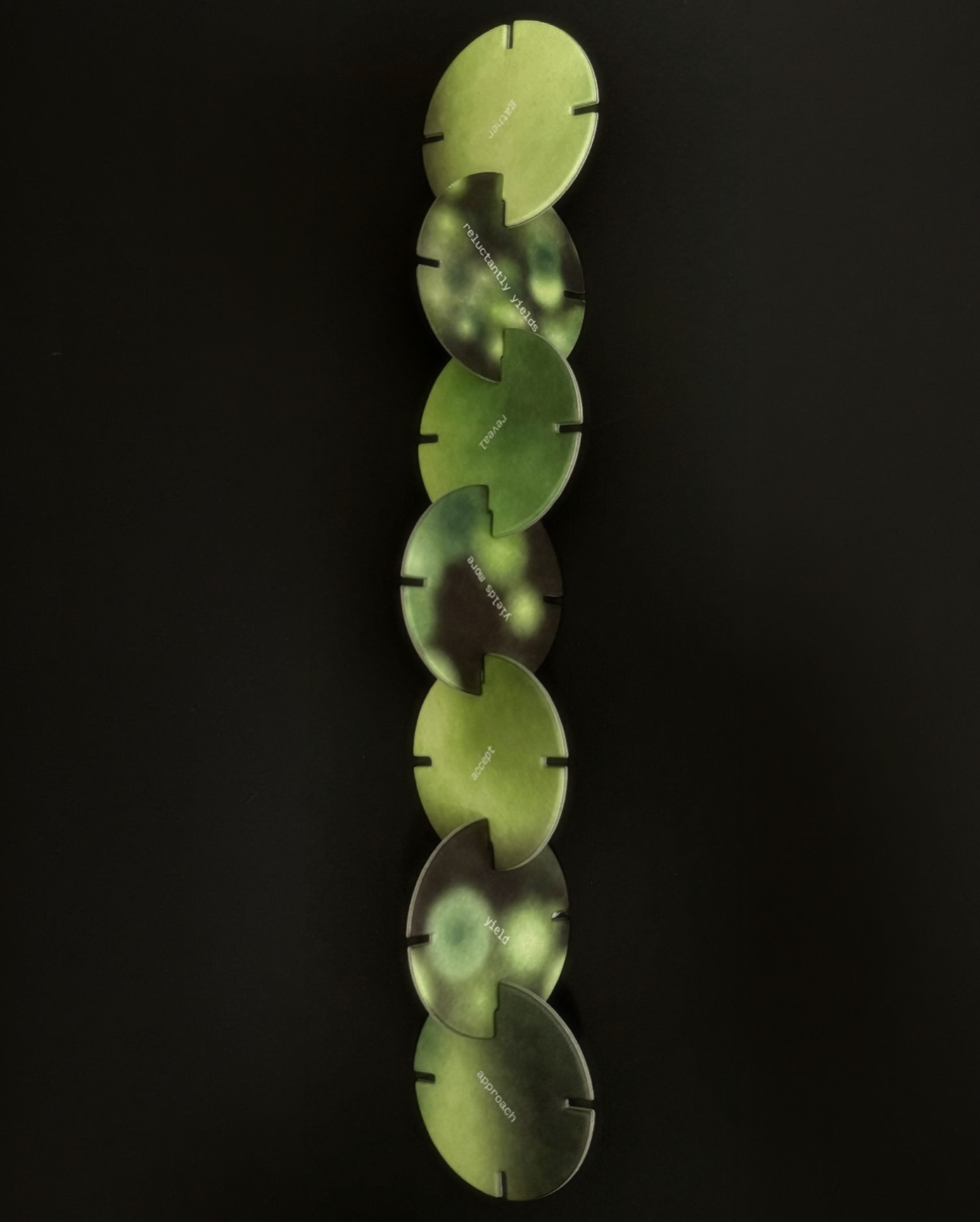
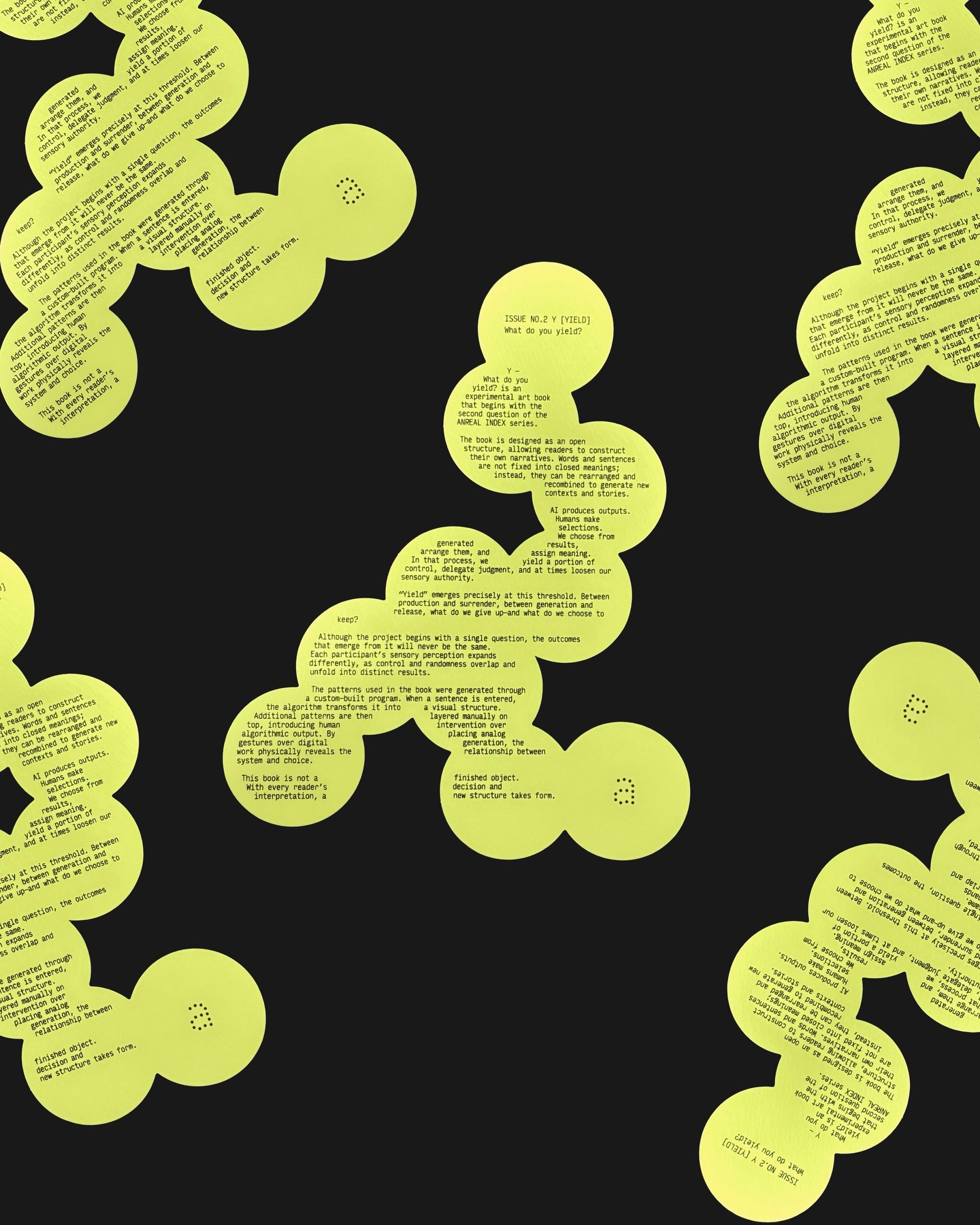
The visual language of [Y] YIELD begins with a custom-built computational system that translates language into visual structures.
Rather than using computation to produce a finished aesthetic, the system establishes a set of conditions from which further decisions can emerge. Digital outputs are cut, assembled, rearranged, and activated through physical interaction.
The final form therefore exists between system and human choice, precision and chance, digital generation and material composition.
In [Y] YIELD, the system does not replace authorship. It distributes it.
Through every new arrangement, the work asks how far an author can let go while still remaining part of what is made—and how a work can continue to change after it leaves the hands of its original maker.
[Y] YIELD의 시각 언어는 언어를 시각적 구조로 변환하는 자체 제작 컴퓨테이셔널 시스템에서 시작됩니다.
하지만 이 시스템은 완성된 이미지를 생산하기 위한 장치가 아닙니다. 이후의 선택이 발생할 수 있는 하나의 조건과 규칙을 만드는 역할을 합니다. 디지털 환경에서 생성된 결과는 다시 잘리고, 조합되고, 재배열되며 물리적인 상호작용을 통해 활성화됩니다.
따라서 최종적인 형태는 시스템과 인간의 선택, 정밀함과 우연, 디지털 생성과 물리적 구성 사이에서 만들어집니다.
[Y] YIELD에서 시스템은 저자성을 대신하지 않습니다. 저자성을 여러 주체에게 분산시킵니다.
새로운 배열이 만들어질 때마다 이 작업은 다시 질문합니다. 창작자는 어디까지 자신의 통제를 내어줄 수 있는가? 그리고 하나의 작업은 최초의 창작자의 손을 떠난 뒤에도 어떻게 계속 변화할 수 있는가?
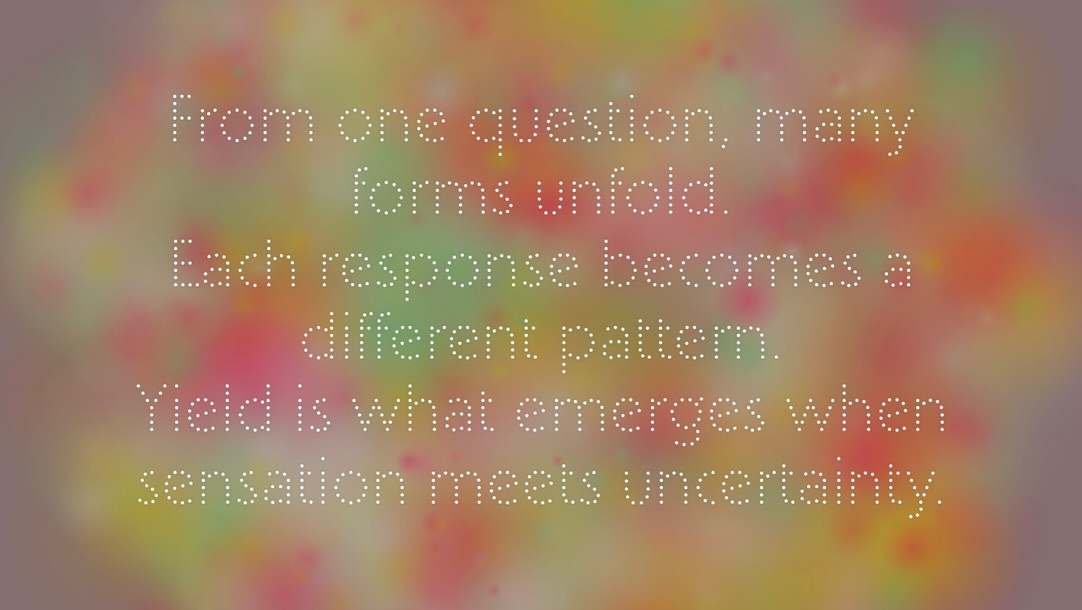

우리는 어느 때보다 빠르게 답을 만들 수 있는 시대에 살고 있습니다. 하지만 같은 도구를 사용하더라도, 어떤 질문을 던지느냐에 따라 전혀 다른 결과가 만들어집니다.
ANREAL INDEX는 질문이 하나의 경험으로 발전하는 과정을 탐구합니다.
〈STILL ASKING〉은 자신의 관심을 하나의 질문으로 발전시키고, 이를 다양한 매체와 형식으로 실험하는 언리얼인덱스의 프로그램입니다.
첫 번째 프로그램은 ANREAL INDEX Issue No.2 [Y] YIELD에서 출발합니다. Issue Y는 독자가 조각난 단어를 선택하고 연결하며, 의도와 우연 사이에서 새로운 의미를 만들어가는 책입니다.
이번 프로그램에서는 이러한 방식을 디지털 경험으로 확장해 각자의 질문을 Type-Reactive Web으로 구현합니다. 텍스트를 입력하면 글자와 형태, 움직임이 반응하는 웹을 제작하고, 이를 반복해서 사용하며 질문이 변화하고 확장되는 과정을 탐구합니다.
각자의 질문을 함께 발전시키고 충분한 피드백을 주고받기 위해 소규모로 진행합니다.
프로그램에서 제작한 결과물은 ANREAL INDEX Archive에 기록되어, 하나의 리서치 기록으로 지속적으로 축적됩니다.